5 to 89 to 12Teenagers
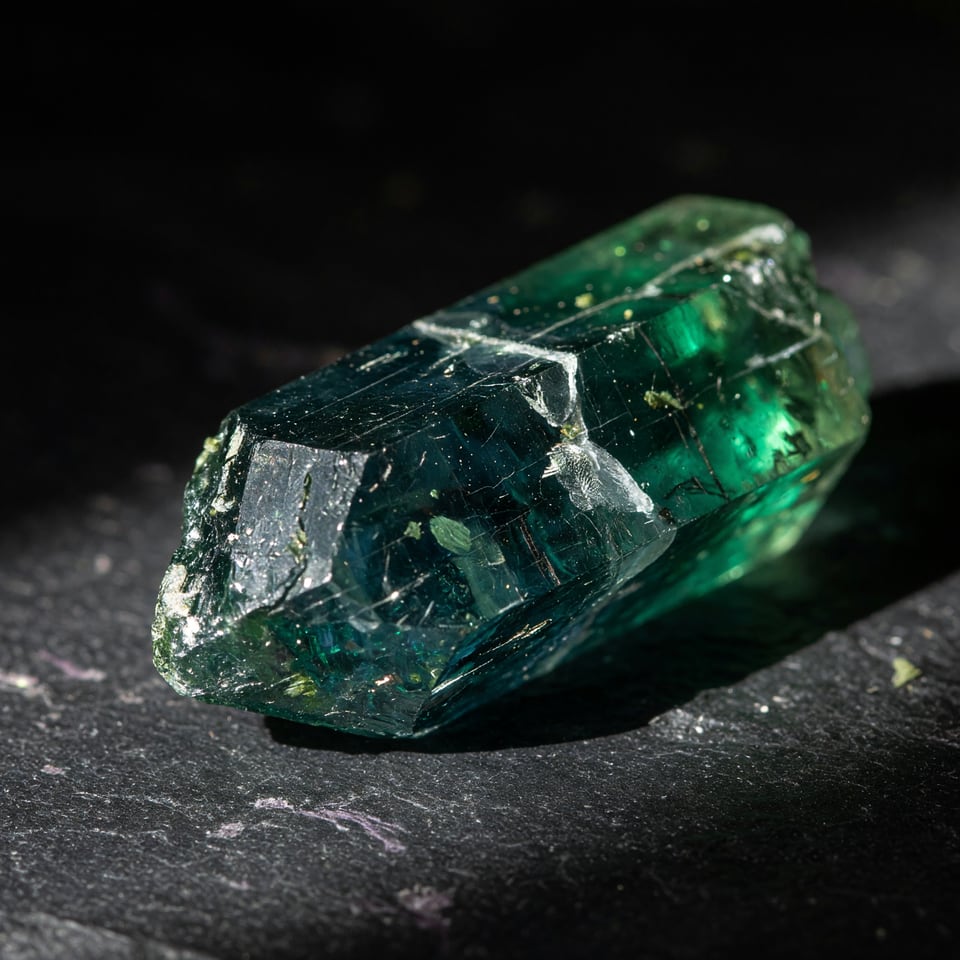
A Working Coffee Finca
Picking cherries is piece work that children are genuinely good at, and the farm dog usually adopts them by lunch.
Steep, uneven ground. Closed shoes.
7hmax 10No pushchair$35–$145
Colombia with children
Fifty of our experiences work with children, and they do not all work with the same child. Tell us who is coming and we will show you what actually lands — plus the four logistics that reshape a family trip if you find out about them late.
No photograph on this site shows an identifiable child, here or anywhere else. That is a written commitment, not a stylistic choice.
Start here
Pick every age you are travelling with. We will split the list into what works for the whole family and what only works for the older ones — because that gap is usually the actual planning problem.
Showing all 50 family experiences. Pick an age above and this list splits itself into what suits everybody and what does not.
Picking cherries is piece work that children are genuinely good at, and the farm dog usually adopts them by lunch.
Steep, uneven ground. Closed shoes.
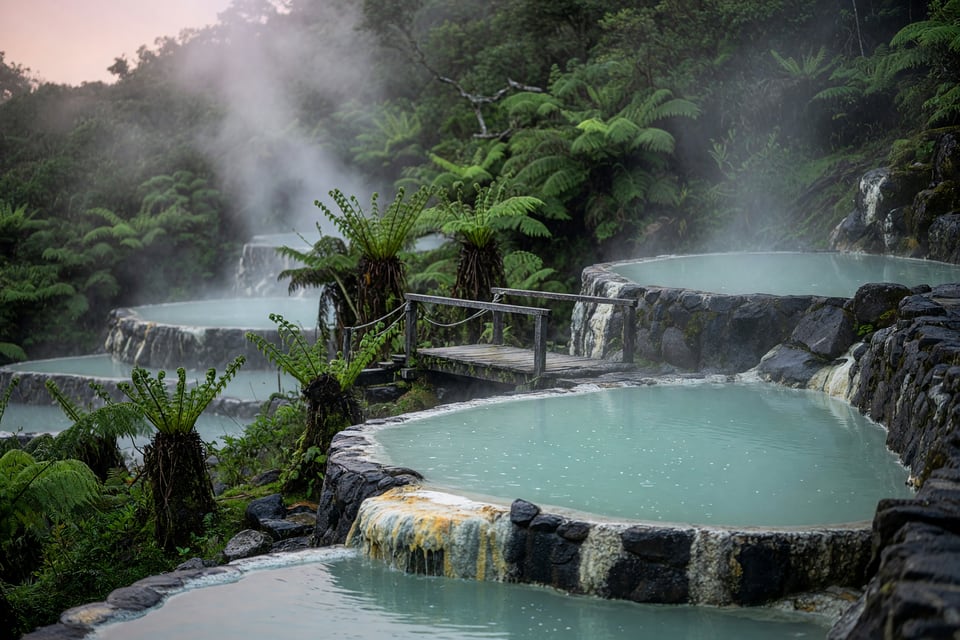
Warm water, cool mountain air, and nothing that has to be achieved.
Hot pools and small children do not mix for long — 15 minutes at a time, plenty of water, and use the cooler pools. Twelve-hour day.
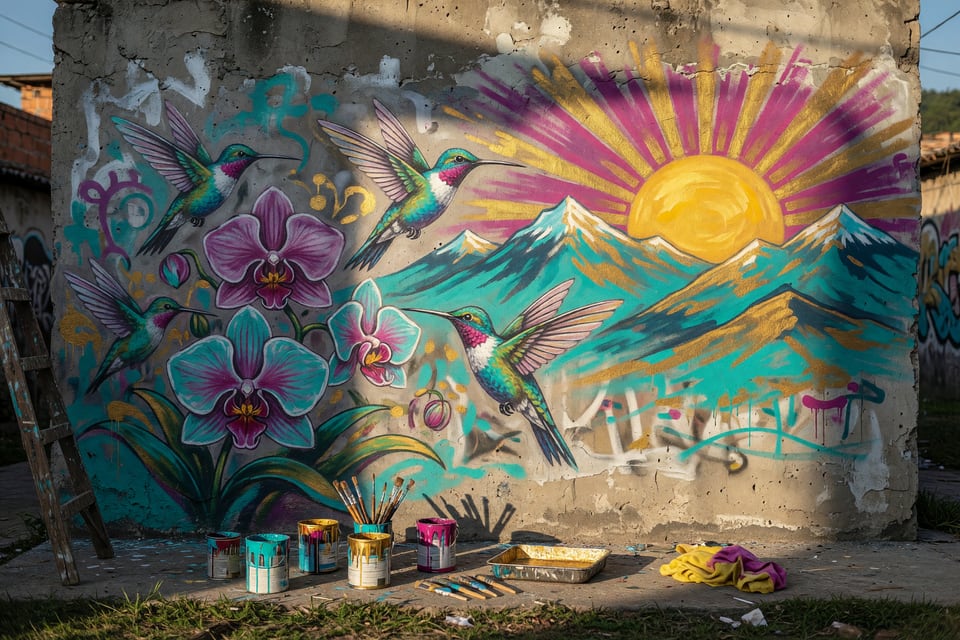
Enormous, brilliant murals and the argument about who is allowed to paint on a wall. Children have opinions about this.
Some of the work is political and some of it is about violence. Fine for nine and up with a heads-up.
Obleas, arepas de choclo and hot chocolate with cheese in it, which children find either wonderful or outrageous.
Three and a half hours of walking between stops in the cold.
Two hours on the water at the end of a day, with a net at the front to lie on.
Adults are drinking on this one. Ask us for the family departure rather than the party departure.
Thermal pools down the mountain from Bogotá, warmer air, and a long slow afternoon.
Winding descent — worth motion sickness tablets. Short stints in the hot pools for small children.
A hundred and twenty kilometres of city road closed to cars every Sunday. Children cycle down the middle of a seven-lane avenue.
Sundays and public holidays only, roughly 07:00–14:00. Confirm child bike, tag-along or seat availability when you book — do not assume.
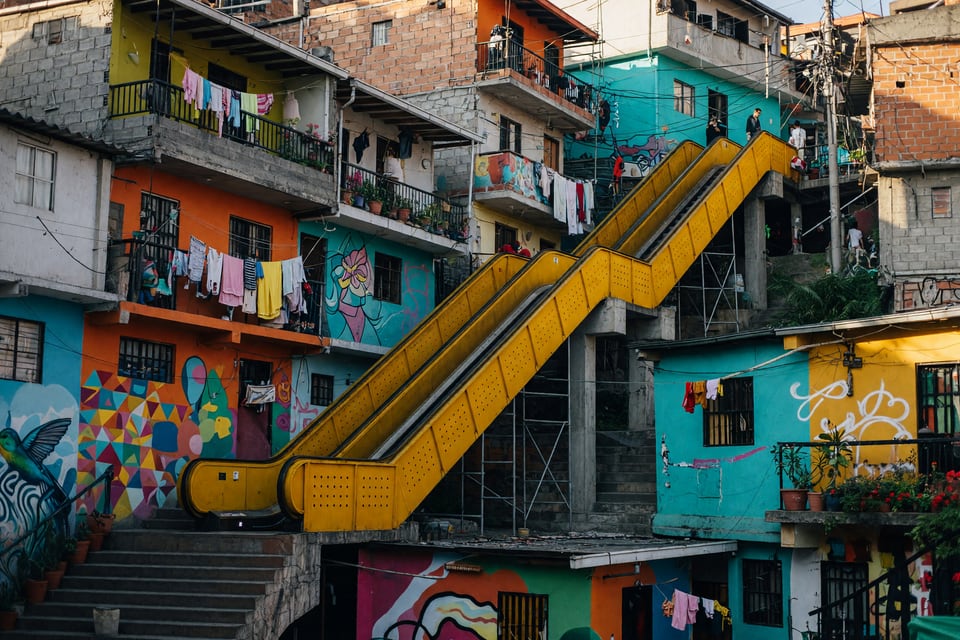
The best history lesson your child will get on this trip, told by someone who was there, on outdoor escalators, with ice cream.
Steep, largely unshaded, and the story includes a 2002 military operation. Right for nine and up; too much for a five-year-old. It is also a residential neighbourhood — the usual rules about photographing residents apply to children too.
The same route eaten slowly. Mango biche with salt and lime converts sceptics.
Four and a half hours of steep steps and sun.
Arepas are essentially edible playdough. This is the activity that most reliably survives a bad-weather day.
A first breath underwater in a pool, then a shallow reef dive with an instructor holding on the whole time.
PADI sets a hard minimum of 10 years old for this, and it is a rule rather than a suggestion. Nobody dives within 18 hours of a flight — plan it early in the trip, never on the last day.
Operator minimum age 10 — a rule, not a suggestion
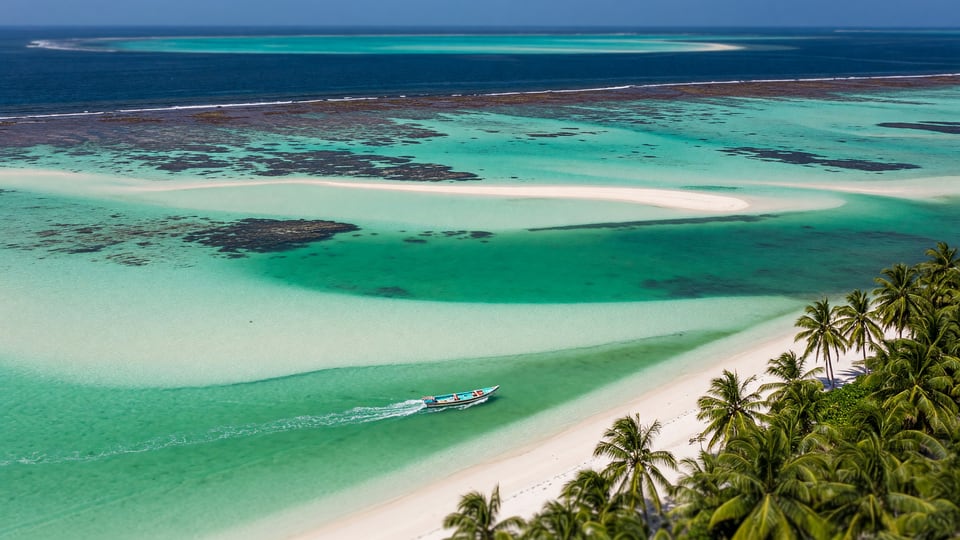
Water so shallow between the cays that small children can stand in the middle of the sea. Snorkelling for beginners starts here.
Do not touch, feed or hold the marine life, whatever is offered — this is a protected reserve and children copy adults. Bring your own child-sized mask if you have one.
A real city centre rather than a preserved one, and old enough children find that more interesting, not less.
Four hours on pavements in the heat. Not a pushchair route.
The island’s summit through dry forest, with lizards the whole way up and the entire reef laid out at the top.
Four hours, steep, hot and exposed. Start at first light.
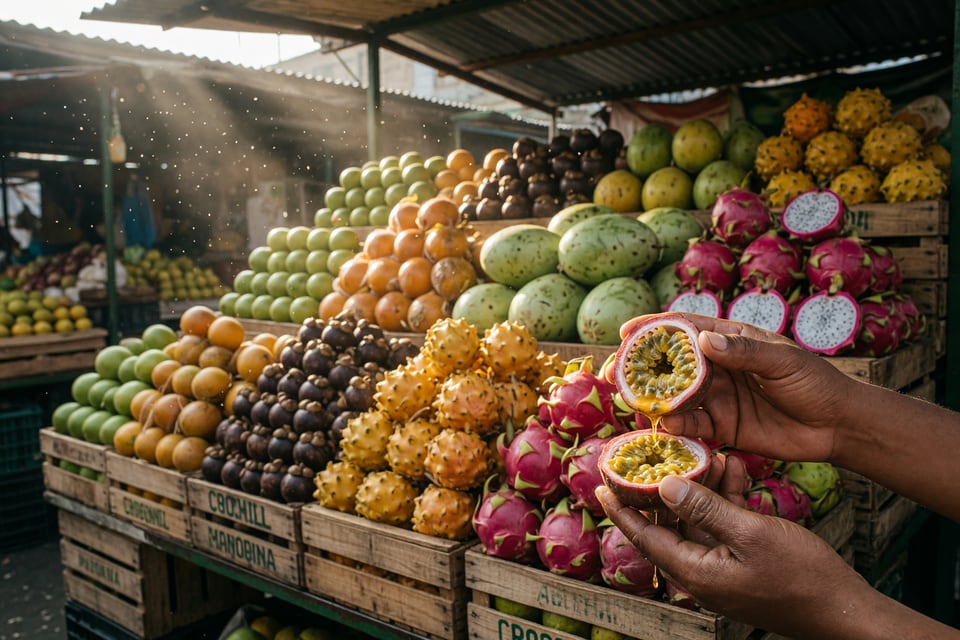
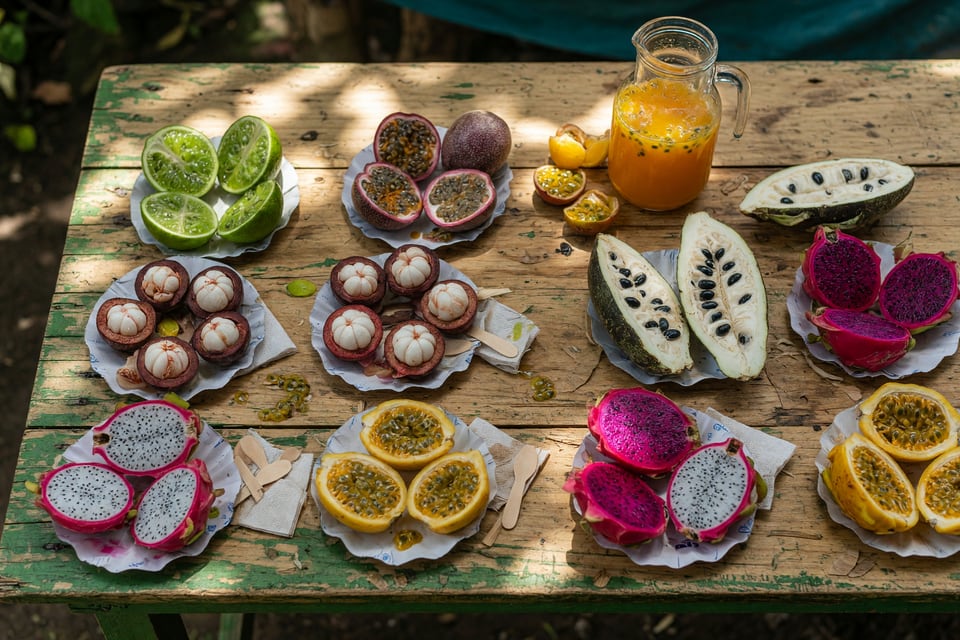
Twenty fruits most children have never seen, and they get to eat all of them. Lulo and granadilla usually win.
Busy working market with forklifts and porters. Hold hands and go early, before ten.
Five stops in a day, so nobody is stuck anywhere long enough to get bored.
Six and a half hours mostly in the sun on a boat. Long-sleeve rash vests beat re-applying sun cream.
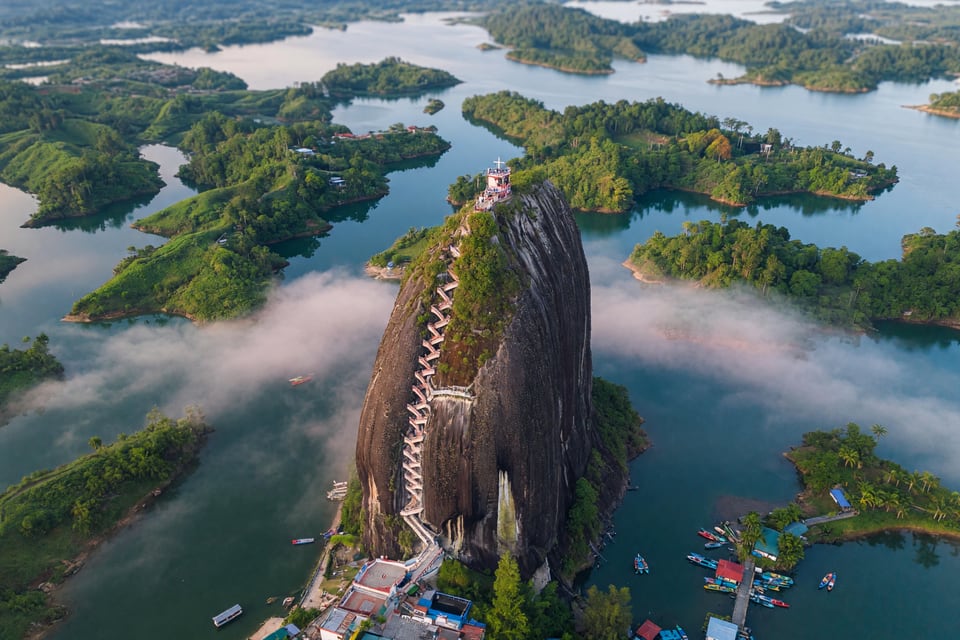
Seven hundred and forty steps up a granite monolith, then a town painted in every colour there is. The staircase is the point.
An eleven-hour day including the drive. The climb is genuinely hard and there is no way down other than back down. Plenty of families do the town and skip the rock.
A full theme park with water slides, and the only place many children will see an African elephant in South America.
Fourteen hours with the drive, and the site’s history is Escobar’s estate — worth deciding in advance how you want to explain that. The hippos are an invasive species under an authorised cull, not an attraction, and we do not present them as one.
Calm farm horses on mountain tracks, led at walking pace for smaller riders.
Tell us the child’s height and riding experience when you book — the operator matches the horse, and we would rather ask twice.
A blowhole that fires seawater into the air when the swell is right, and a pirate cave next door.
The blowhole only performs with the right sea state. Manage expectations on the way, not on arrival.
Free, flat, shaded, full of iguanas and turtles, and you can leave whenever a meltdown arrives.
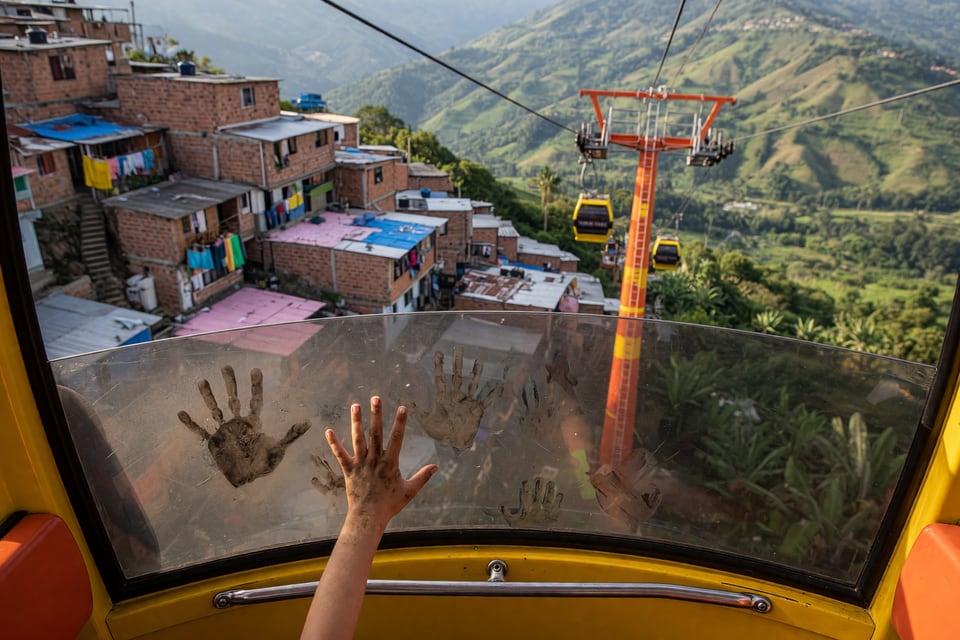
Wooden cable cars strung across a valley to a coffee farm, and a plaza where the whole town sits out in the evening.
Thirteen hours door to door. That is a long day for anyone under about ten.
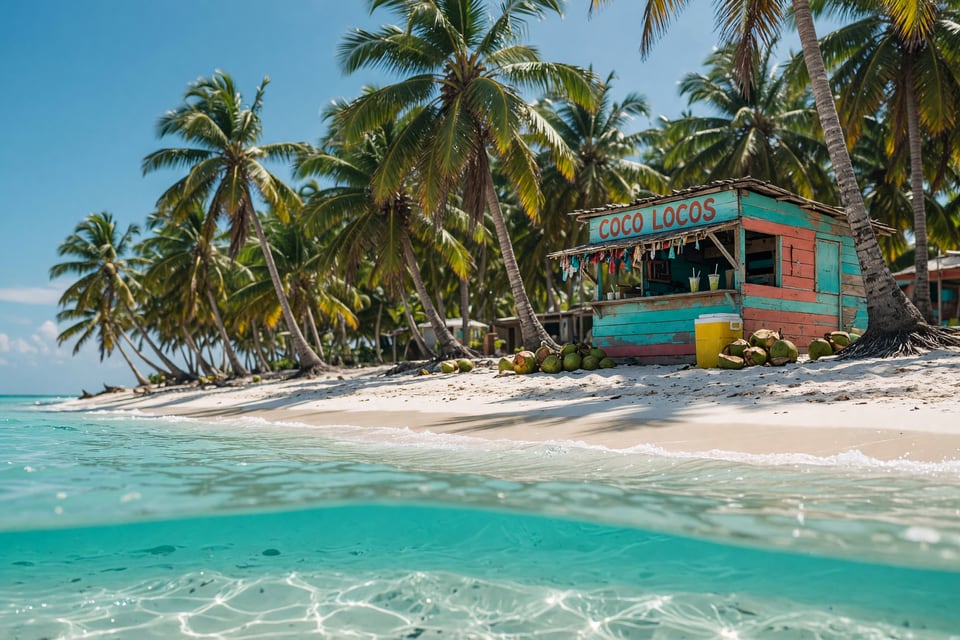
A coral islet ten minutes offshore with shallow, warm, calm water and coconut palms for shade.
The crossing is a small open boat and can be bouncy. Almost no shade beyond the palms; reef-safe sun cream is required, not suggested.
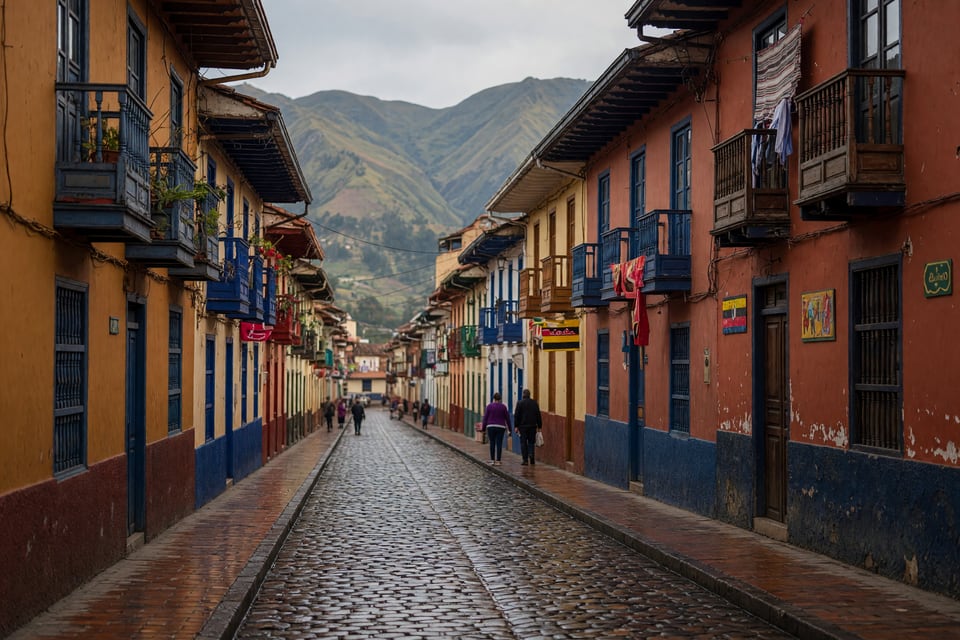
Painted colonial streets, a chocolate-and-cheese stop, and enough going on that nobody asks how much further.
Cobbles, hills and 2,640 m of altitude. Slower than it looks on a map.
Colombia’s tallest waterfall at 590 m, reached on a cloud-forest trail that feels like a proper expedition.
Nine hours, muddy, and steep in places. Boots, not trainers.
The island’s oldest Baptist church and the story of why San Andrés speaks Creole English and not Spanish.
Ninety minutes of listening. Better after a beach morning than before one.
The actual lake behind the El Dorado story, walked with a guide who explains what the Muisca were really doing.
A 3,000 m walk at altitude on an exposed path. Cold and wet more often than not.
Enough tasting stops that a fussy eater will find two things they like and a story about the rest.
Four and a half hours and a lot of walking between stops.
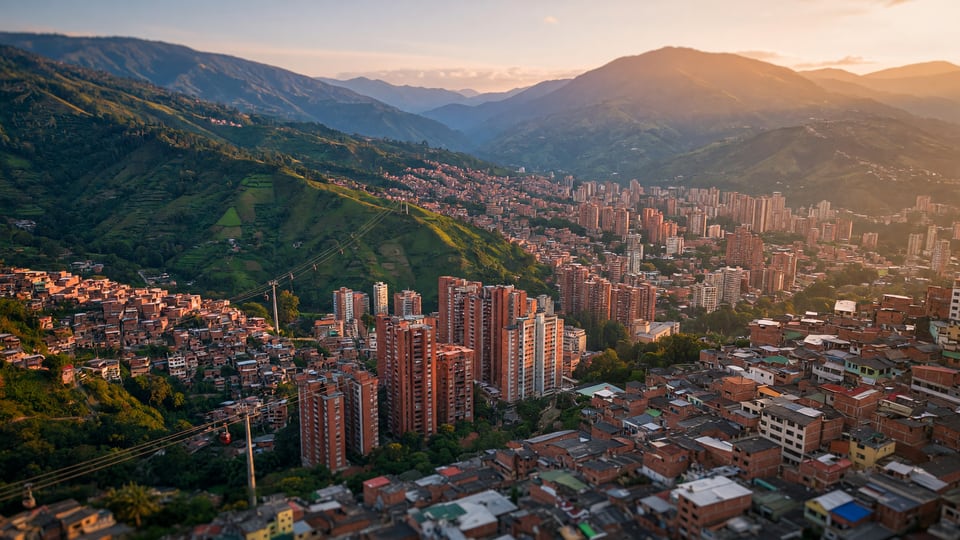
A cable car over an entire city, then a forest at the top. Children who refuse to look at a view will look at this one.
Closed Tuesdays — the whole Línea L, not just the park. Arví is 20 °C cooler than the valley floor, so bring a layer even on a hot day.
A funicular railway up a mountain to a church with the whole of Bogotá underneath it, and stalls selling obleas at the top.
The summit is 3,152 m — over 500 m higher than an already high city. Small children feel altitude before adults do. Take the funicular both ways with anyone under nine.
Botero’s twenty-three enormous bronzes stand outside in the plaza, free to walk around and touch, before anyone has to go indoors.
The plaza itself needs adult eyes on children at all times. Two and a half hours indoors is a lot; do the square first.
Fifty-five thousand pieces of gold, and a darkened round room at the end that children remember for years.
Free on Sundays, which also means full on Sundays.
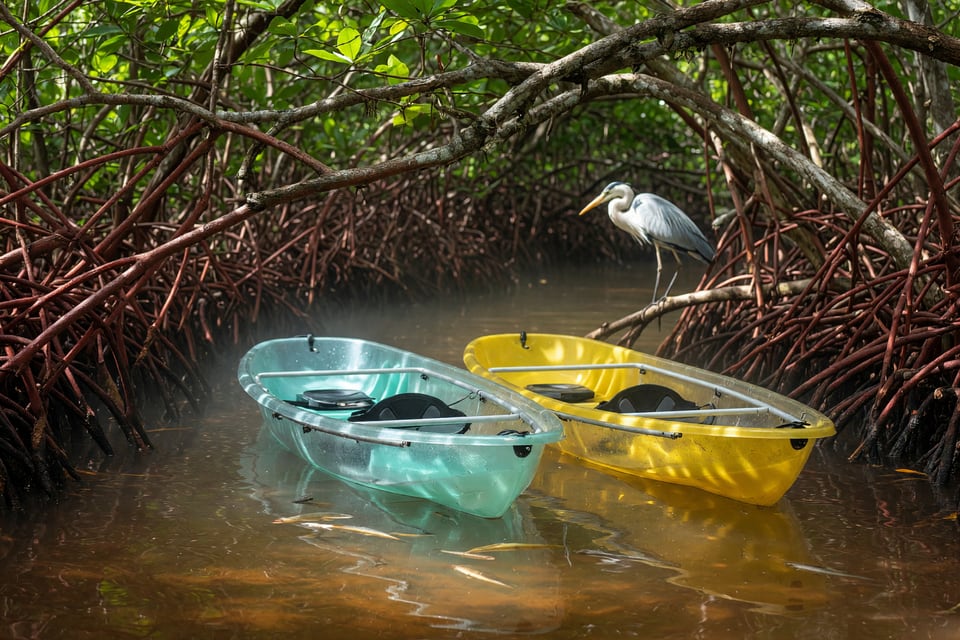
Clear-bottomed kayaks through a mangrove tunnel, with baby fish and rays visible straight down through the hull.
Two hours of humid, still air and mosquitoes. Repellent that is safe for children and for the water.
A real certification a twelve-year-old can hold for life. Three days that turn a holiday into a thing they did.
PADI minimum age 10, certifying as a Junior Open Water Diver with depth limits until 15. Three days is a serious commitment, and the no-fly interval applies to the last day of it.
Operator minimum age 10 — a rule, not a suggestion
Dawn at a working flower and fruit market. The fruit tasting at the end is the bit they will talk about.
Starts early and it is cold at that hour in Bogotá. Busy aisles, trolleys, hold hands.
Crab Cay, Morgan’s Head and a wooden footbridge between two islands. The quietest, best day in the archipelago.
Reaching Providencia is a small plane or a catamaran crossing that many people find rough. Not a day trip for anyone prone to seasickness.
Rondón cooked in coconut milk over hours, and the Raizal Creole words that go with each ingredient.
Seafood-heavy. Tell us about allergies at booking, not on the day.
Real sandstone cliffs with real ropes, taught properly. The photograph of your child on a rock face does a lot of work at school.
Ask us to confirm the operator’s minimum age and harness sizes for your child before you book. We check per booking rather than publishing a number we cannot stand behind.
You wade out to an actual island in waist-deep water. For a six-year-old this is walking on the sea.
Depth and current change with the tide and the weather. Check with us on the day, not the week before.
Natural swimming pools in a river, with rocks to jump from and shallow edges for small ones.
River levels and depths change with rainfall. Children in the water need an adult in the water, and we will not point anyone at a jump.
Flower farm on a mountain, and the children get to try lifting a silleta — the wooden flower frame carried on the back at the August parade.
A hot colonial town with a famous 291-metre suspension bridge you walk across. Short attention spans do fine here.
It is 25 °C hotter than Medellín. Hats, water, and the shady side of the street.
A glass-hulled boat that puts a child’s face level with the reef without anyone having to swim.
Warm and enclosed below deck — a short trip, and a good one for a non-swimmer.
Smelling and scoring coffees is a game before it is a skill, and nobody has to drink anything.
Caffeine. Ask for the cupping-only version for children — they smell and spit rather than swallow.
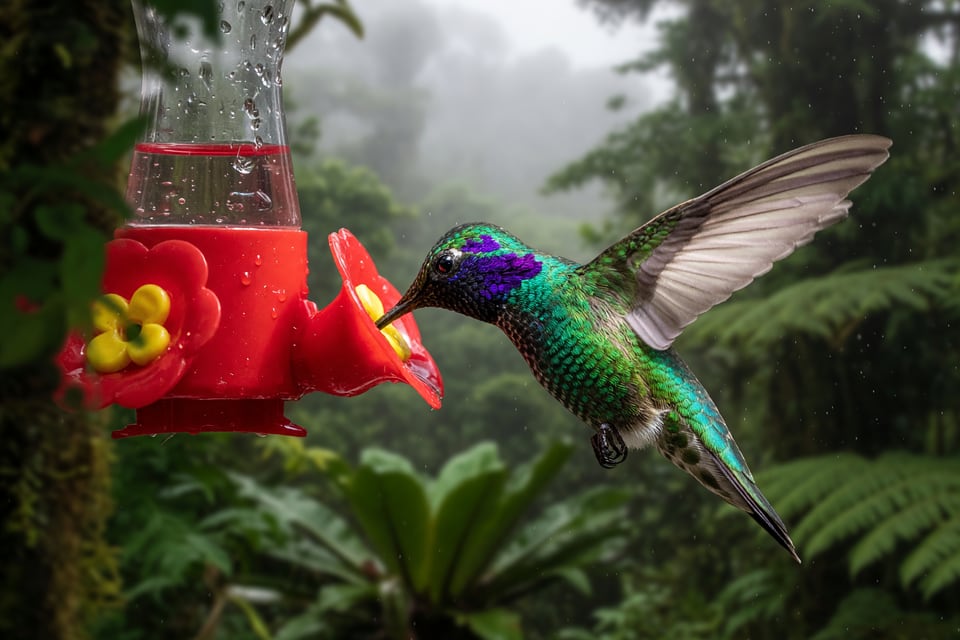
Dozens of hummingbirds at arm’s length, moving too fast to look real. Works on every age including the ones who are carried.
Cold and often wet up at La Calera. Warm layers.
You drive the whole island in a golf cart, stopping wherever anyone shouts. Total freedom over the day’s shape.
It is a public road with real traffic. Children stay seated, and only a licensed adult drives. Carts have no shade to speak of.
A Sunday flea market with buskers, churros and space to sit. The lowest-effort good day in Bogotá.
The largest cobbled plaza in South America, a fossilised marine reptile in a purpose-built museum, and a dinosaur-shaped ice cream.
Thirteen hours with the drive. Best as an overnight if you have a spare night.
A snorkelling platform where the fish arrive before you do, and a jumping board for the brave.
Volcanic rock entry — reef shoes. Supervise the jump; depths vary.
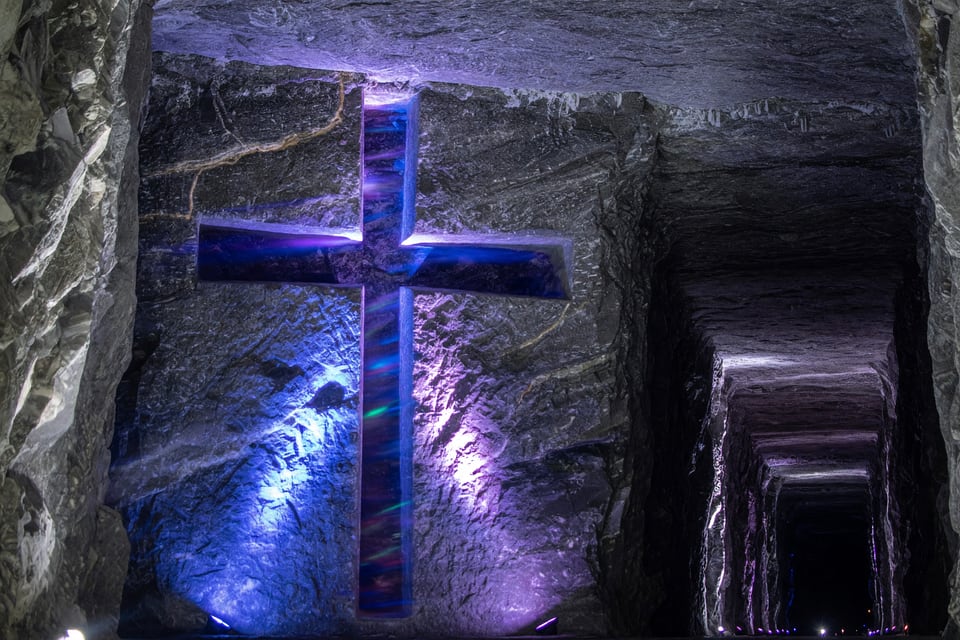
A cathedral carved 180 metres inside a salt mine, lit in shifting blue and violet. It is the closest thing to a film set that is real.
Underground, cool and echoing. Some children find the tunnels exciting and some find them frightening — you will know which you have.
What the age bands are, and what they are not.
These bands are our own editorial judgement, based on stamina, terrain, heat and how long a thing asks a child to stand still. They are not operator rules. Where an operator has confirmed a hard minimum age — diving is the main one, at ten years old under PADI — it is stated separately on the card and on the experience page, and it is not negotiable. Where we do not know an operator’s minimum, we say so and check it per booking rather than publishing a number we cannot stand behind.
The afternoon you leave empty is the one that saves the holiday.
Before you book flights
Three of these catch families out every year, and two of them are enforced at an airport rather than politely mentioned.
Colombia applies strict exit requirements to travellers under 18. Where a child is not leaving with both parents, immigration can require a notarised parental authorisation, and the requirement is enforced at the airport rather than waved through. This catches separated, single and blended families every year. Tell us your family structure when you enquire and confirm the current rule with Migración Colombia before you book flights — we will point you at it, but a travel company cannot sign it off for you.
Small children cannot always tell you they have a headache or feel sick — they just become impossible. Give the first 24 hours to something flat and undemanding, push water harder than feels reasonable, and do not put Monserrate on day one. Monserrate’s summit is 3,152 m. If your child has a heart or lung condition, sickle cell trait, or is under one year old, talk to your doctor before you book.
Every visitor flying to San Andrés buys a Tarjeta de Turismo at the departure airport, including children and including Colombians. It is per person, not per family, and you need it again to leave the island. Budget roughly US$30 each and confirm the current price when you book.
Car seats are not standard in Colombian taxis or on most transfers, and app-hailed cars will not have one. If your child needs one, either bring it or tell us at booking so we can arrange a vehicle that has it. We would rather have that conversation six weeks out than at an airport kerb.
The single most common family mistake here is stacking three activities into a day that also contains a two-hour drive. Bogotá traffic can eat 90 minutes crossing 12 km. Medellín day trips run 9 to 14 hours door to door. We build family itineraries by neighbourhood cluster, with the afternoon deliberately empty.
Tap water is safe to drink in Bogotá and Medellín and is genuinely good. On San Andrés, drink bottled or filtered. Sun at 2,640 m burns faster than the temperature suggests, and on the island only reef-safe sun cream is permitted — bring it with you, because the choice on the island is limited and expensive.
For the children, not the grown-ups
Fourteen things to find in Colombia. Some are animals, some are plants, one is a word, two are things to eat. Find one, then press the button to stamp it and read what makes it strange. Every fact in here is true — you can tell people at school.
Grown-ups: the stamps are saved in this browser on this device and nowhere else. Nothing is sent to us, no name or email is asked for, and there is no account. Clearing your browser data clears the passport.
Your passport
— / 14
Nothing stamped yet. The hummingbird is the easiest one to start with.
Find one on a Colombian coin, a flag or a mural. Spotting a real one is a once-in-a-lifetime piece of luck.
Watch one at a feeder and try to see its wings. You will not manage it.
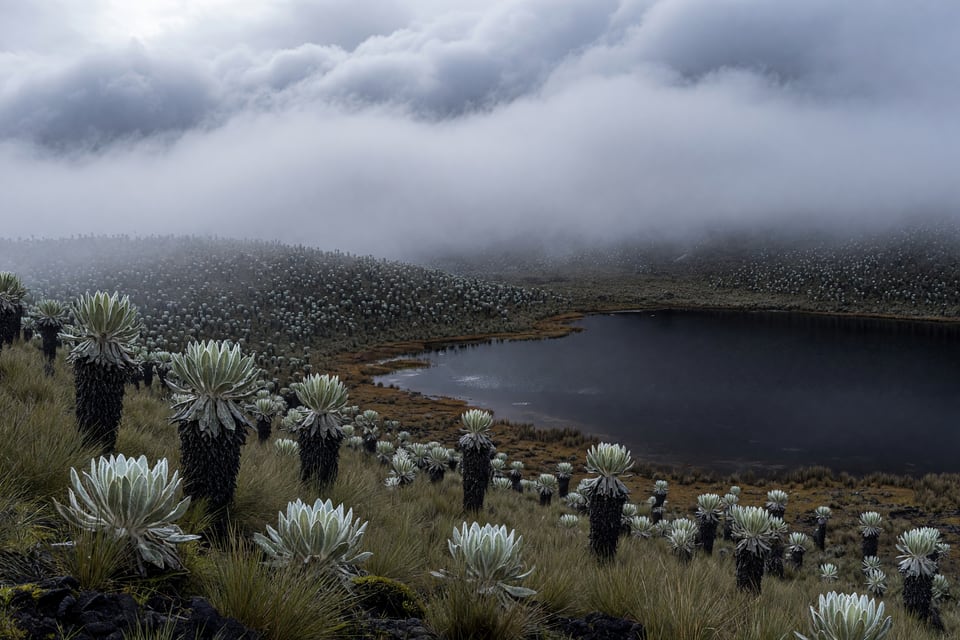
Find the tall plant with thick woolly silver leaves growing high in the páramo above Bogotá.
Spot Colombia’s national tree — the impossibly thin palm with a pale white trunk.
Find Colombia’s national flower — magenta and gold — in the botanical garden in Medellín.
On San Andrés or Providencia, look for crab crossing signs at the side of the road.
Count the different colours in the water around San Andrés. Most people get to five.
Go 180 metres underground at Zipaquirá and lick your finger after touching the wall. (Then wash your hands.)
Ride the Metrocable in Medellín all the way to the top and look down at the roofs.
Drink a lulo juice. Pull a face. Finish it anyway.
In Bogotá, drop a piece of white cheese into a cup of hot chocolate, wait, then fish it out with a spoon.
On San Andrés, learn one greeting in Creole and use it.
In Medellín, greet someone the way people from Antioquia actually do.
In any warm lowland forest, scan the very tops of the trees. A sloth looks exactly like a clump of dead leaves, which is the entire idea.
Tell us about your family
We live in all three cities with our own families. Send us the real picture — including the difficult bits — and we will build a week that survives contact with it.